How-to Choose The Best Exterior Wall Cladding In Canada With Tross Construction
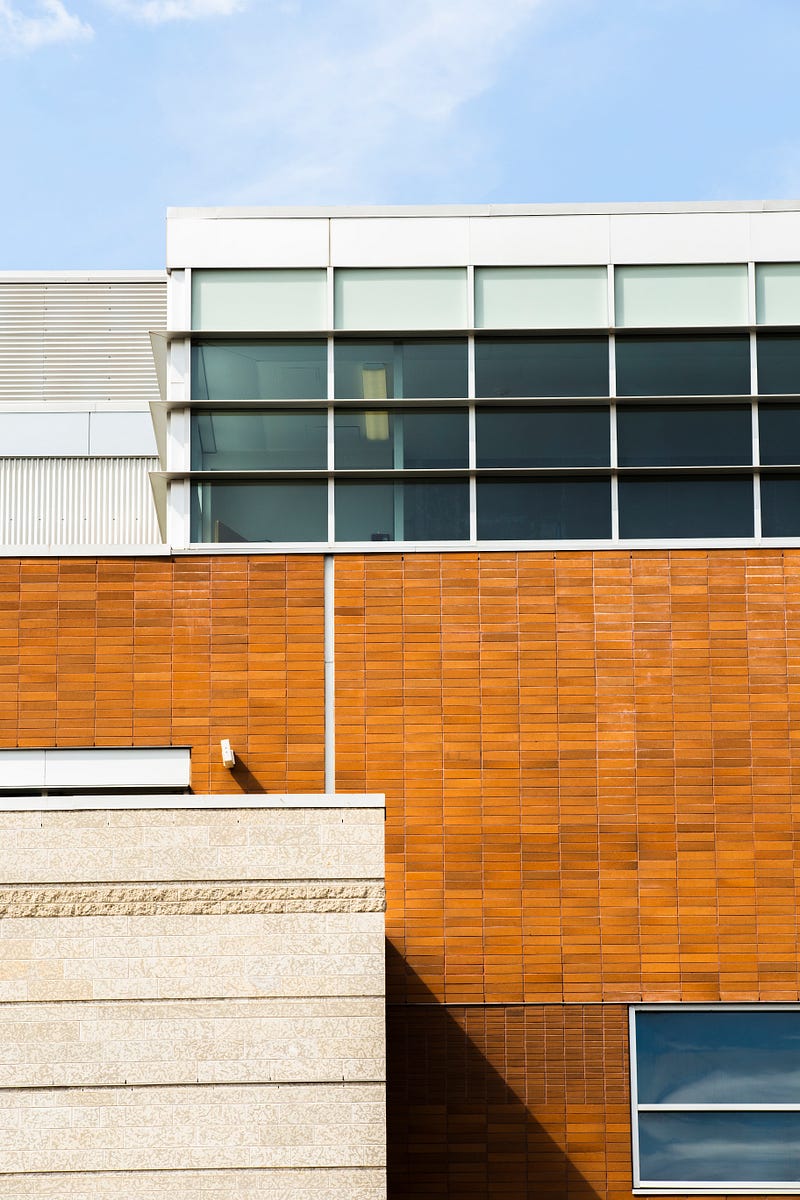
There’s a clear process you can follow to choose exterior wall cladding that suits Canada’s varied climates; you should weigh durability, thermal performance, moisture control, maintenance and design to protect your home and add value. Trust Tross Construction to guide your assessment of materials, costs, warranties and installation methods so you can make an informed decision. Search for tross construction case studies and local building code compliance to verify suitability for your project.
The Aesthetic Impact of Exterior Wall Cladding
Cladding choice transforms façade personality — materials like cedar, fibre cement, brick or corrugated metal create distinct looks. You can choose warm cedar for traditional West Coast homes, crisp fibre cement for modern lines, or exposed brick for urban heritage. Tross Construction recommends mixing textures and three‑colour palettes to balance scale on homes over 200 m2, while budget and maintenance shape final decisions.
Transforming Curb Appeal
Swap faded vinyl for vertical cedar boards, or add dark metal panels and you instantly modernize a façade. You’ll notice how shadow lines from board widths, 150–200 mm, alter perceived scale; lighter colours enlarge smaller lots, while darker tones ground large properties. Tross Construction projects in Toronto and Calgary show that targeted cladding updates often generate stronger first impressions during viewings.
Choosing Styles that Reflect Canadian Architecture
Match cladding to regional vernacular: cedar shingles suit West Coast moisture and salt air; painted clapboard complements Victorian streets in Halifax; stucco and brick are common in Prairie cities for insulation and wind resistance; in modern Vancouver infill, metal panels and fibre cement echo contemporary lines. You should consult tross construction for material choices that balance style and local performance.
Consider detailing as part of style: a 20–40 mm rain screen cavity, through‑wall flashing and properly sized reveals preserve aesthetics and performance. Heritage areas in Quebec often demand matching original clapboard profiles, whereas Calgary’s freeze‑thaw cycles favour fibre cement or brick. You should check local bylaws and request mock‑up panels from Tross Construction to confirm colour, texture and scale before committing.
Performance Metrics: Durability and Weather Resistance
Assess cladding by measurable factors: freeze–thaw resilience, UV stability, moisture ingress and salt-spray corrosion. Fibre cement often offers 50+ years of service life, vinyl typically 20–40 years depending on exposure, and metal systems with galvanic protection can exceed 40 years. Look for products tested to relevant ASTM and CSA protocols and consult tross construction for localized performance data based on Canadian coastal, prairie and boreal exposures.
Evaluating Material Strengths for Harsh Climates
Match materials to your microclimate: coastal sites need stainless fasteners and corrosion‑resistant coatings, prairie locations demand wind‑rated fixings and impact resistance, and northern sites require freeze‑thaw stable cladding with effective drainage planes. Engineered metal and fibre cement perform well under mechanical stress while engineered wood with factory finishes can work if you plan maintenance intervals. Ask Tross Construction for case studies from similar zones to verify long‑term performance.
The Importance of Insulation and Energy Efficiency
Prioritise continuous insulation to cut thermal bridging and lift whole‑wall R‑values; effective wall assemblies in Canada often target R‑20 to R‑40 depending on climate zone. Polyiso offers high R per inch, mineral wool adds fire resistance and moisture tolerance, and combining cavity insulation with 25–50 mm of exterior insulation frequently meets code targets. You should confirm assemblies with Tross Construction so performance matches your local requirements.
Air sealing and vapour control matter as much as insulation thickness: uncontrolled air leakage can account for roughly 20–25% of heat loss in poorly detailed walls. Specify taped sheathing, sealed penetrations and proper sill flashing; a continuous exterior layer such as 25–50 mm poly iso plus R‑13–R‑20 cavity insulation commonly achieves effective U‑values for many Canadian builds. Tross Construction can model expected savings and payback based on local energy costs.
Cost Analysis: Budgeting for Quality
Vinyl typically runs CAD 2–7 per sq ft installed, fibre cement CAD 5–12, wood CAD 6–15 and metal CAD 8–20; you must budget materials, scaffolding, permits and insulation upgrades. Lifecycle costs vary — fibre cement 30–50 years, metal 40+ — so calculate annualized cost per year. Tross Construction and tross construction assessments can quantify payback, help you choose cladding that fits both budget and longevity, and set a realistic contingency of 10–20%.
Long-Term Investment vs. Initial Expenditure
Expect different payback timelines: vinyl often requires minimal upfront spend but may last 20–30 years, while fibre cement and metal cost more initially yet can last decades. Insulated cladding can cut heating bills by 5–15% annually, often repaying added expense in 7–15 years. You should weigh maintenance intervals — wood needs repainting every 5–10 years; metal recoating may be 15–25 years — and ask Tross Construction for lifecycle comparisons tailored to your home.
Hidden Costs in Installation and Maintenance
Permits, substrate repairs, waste disposal and scaffolding frequently add CAD 1,500–8,000 to projects; specialist flashings, fasteners and kick-out gutters can tack on CAD 500–2,000. Weather delays and difficult access increase labour hours and cost, and multi-story façades often double installation time. You should include a 10–20% contingency to cover these typical hidden expenses.
Deeper inspection often reveals rot or degraded sheathing — replacing damaged sheathing can cost CAD 3–12 per sq ft — and adding a vapour barrier or continuous insulation may add CAD 1,500–6,000 but improve performance and warranty eligibility. Hazardous-material removal (e.g. old asbestos siding) requires licensed contractors and higher disposal fees. Tross Construction provides pre-install inspections and fixed-price packages to identify and minimize these surprises so you can budget with confidence.
Eco-Friendly Choices: Sustainable Materials and Practices
You can choose reclaimed wood, recycled aluminium or fibre‑cement to reduce embodied carbon by up to 40% compared with virgin materials; tross construction sources FSC‑certified timber and recycled metal to meet Canadian codes while offering cladding lifespans of 30–50 years and warranties that support long‑term performance.
Benefits of Using Renewable Resources
You gain lower lifecycle emissions and biogenic carbon storage with sustainably harvested timber, while insulated wood or composite systems can improve thermal performance — raising wall assembly R‑values by 1–3 m2K/W in retrofit scenarios; such upgrades often contribute to LEED points and provincial energy efficiency programs.
Impact on Property Value and Environmental Responsibility
You gain market advantage: Tross Construction finds energy‑efficient cladding and certified materials shorten listing times and appeal to eco‑conscious buyers, while improved insulation can cut heating demand by up to 30% in cold Canadian climates, lowering running costs and enhancing resale potential.
You should weigh lifecycle costs: a typical upgrade to insulated fibre‑cement panels increases upfront expense by 10–25% but can pay back in 7–15 years through energy savings and stronger offers at sale; Tross Construction project portfolios document clients recouping investment via reduced utility bills and higher buyer interest.
Understanding Installation Processes: What to Expect
Expect a site survey, removal of existing cladding where needed, sheathing repairs, housewrap, flashing, insulation details and final trim; a typical 150–200 m² detached home usually takes professionals 3–6 days. Labour often represents 40–60% of total cost, and Tross Construction follows manufacturer fastening patterns, ventilation gaps and rain screen principles to prevent water ingress and extend warranty life.
DIY vs. Professional Installation: Weighing Your Options
You can save roughly 20–30% on labour by doing the work yourself, but complex systems — fibre cement, rain screen, metal facades — demand specialized tools and nail spacing accuracy; improper installation risks moisture damage and voided warranties. For longevity and warranty compliance, Tross Construction recommends professional fitment for multi-storey projects or where penetrations, insulation upgrades or structural repairs are required.
Best Practices for Maintenance and Upkeep
Inspect your cladding at least twice yearly and after storms, clean vinyl and composite surfaces with mild detergent, clear gutters and downpipes, check and renew caulking around windows every 3–5 years, and touch up paint on wood or fibre cement within 12 months of wear to prevent water entry and rot.
For material-specific care: wash vinyl with a soft-bristled brush and soapy water, sand and prime exposed wood within 48–72 hours then apply two coats of quality exterior paint, and treat metal scratches promptly to avoid corrosion. Consider an annual professional inspection from Tross Construction to spot flashing failures or insulation gaps before they become costly repairs.
Final Words
Following this guide, you can confidently assess materials, climatic performance, maintenance and budget to choose exterior wall cladding that suits your home; consult Tross Construction and search for tross construction reviews to compare installations, warranties and energy efficiency, and ensure your selection enhances durability and curb appeal while meeting local codes and your long-term goals.
FAQ
Q: How do I choose the best exterior wall cladding for Canada’s varied climates?
A: Assess your local climate zone, exposure to wind and salt spray, and the freeze–thaw cycle. Prioritise materials with proven resistance to moisture, movement and UV; common choices in Canada include fibre cement, engineered timber, metal (steel or aluminium), brick/stone veneer and high-quality vinyl. Consider thermal performance and compatibility with continuous exterior insulation and a rain screen assembly to manage condensation. Have a site-specific evaluation and performance specification prepared by a reputable contractor such as Tross Construction to match material properties to your location and building type.
Q: What are the typical maintenance needs and expected lifespans of different cladding options?
A: Lifespan varies by material and installation: fibre cement often lasts 30–50 years, metal cladding 40+ years with corrosion protection, brick and stone 50+ years, quality vinyl 20–40 years, and well-maintained engineered timber 20–40 years. Maintenance ranges from periodic washing and repainting or recoating, to resealing joints and inspecting flashings and fasteners. Proper installation, good flashing details, breathable membranes and adequate ventilation extend service life; ask tross construction about maintenance schedules, warranty terms and inspection programmes when comparing options.
Q: How should I balance upfront cost, aesthetics and energy efficiency when selecting cladding?
A: Evaluate whole-life cost rather than only initial price: factor in installation complexity, maintenance, expected replacement intervals and energy savings from improved insulation. Match the cladding style to the architectural intent — brick or stone for a traditional look, metal or composite panels for a modern aesthetic — while ensuring the chosen system allows for continuous insulation or insulated panels to reduce thermal bridging. Obtain competitive quotes, detailed specifications and mock-ups; engage a contractor like Tross Construction to provide site-specific recommendations, estimate lifecycle costs and identify any rebates or code requirements that affect the final choice.


Comments
Post a Comment